01
The first conversation
We find out what you want and tell you straight away whether the budget is realistic. If it is not, you hear that before you spend anything on drawings, and you hear how wide the gap is in money rather than in adjectives.

For homeowners
One person accountable, start to finish
Most people who extend or refurbish a house know what they want the house to be. What they cannot judge is whether a price is fair, whether the contract protects them, and what will come back later as an extra. We take the job on from the first conversation to the day the certificates are handed over.
A straight answer on whether your budget matches what you want to build, before you spend anything on drawings.
Every builder's price put on the same basis, so you compare the same work rather than two different headline totals.
A contract that says what you think it says, on a standard JCT form written for private clients, not an exchange of letters.
Every application for payment checked before you pay it, and every change priced and agreed before the work starts.
Weekly meetings on site, with a written report so you always know where the job has reached and what comes next.
One senior person on your project from the first conversation to the final account, not a different name each month.
The problem
The design can be sorted out. Picking the wrong builder is what keeps people awake.
A homeowner who has never run a building project is asked to do something a developer would never do alone. Read six or eight prices that cover different work. Spot what has been left out. Decide which exclusions matter. Sign a contract drafted by somebody else. Then pay, month after month, for work they cannot value.
One enquiry that led to this service came from a homeowner holding eight quotes that ran from £222,000 to £356,000 before VAT. The spread was not the problem. The problem was that each builder had priced a different job: some with windows, a kitchen and floors, some without. One had dropped his price when asked, mostly by moving work back onto her.
That is not a price comparison. It is eight different projects, and no amount of reading the totals will tell you which one is the best deal.
How we work
You can take the whole sequence or stop at the first stage. Most people start by asking what the quotes in front of them are really worth.
We find out what you want and tell you straight away whether the budget is realistic. If it is not, you hear that before you spend anything on drawings, and you hear how wide the gap is in money rather than in adjectives.
We point you to an architect or designer, or work with the one you already have. Drawings, planning permission and building regulations are their work. You appoint them and pay them directly, so you can see what that part costs.
We prepare the tender documents, invite builders we have worked with, and put every price on the same basis. We recommend one and tell you why, then put the job on a standard JCT contract for private clients.
We check every application for payment before you pay it. We price and agree every change before the work is done, not after. We close the final account at the end, so the job finishes on a number.
Weekly site meetings. The programme kept under review. The architect, the builder and anything you are buying yourself kept in step, with a written report so you always know where the job stands.
A list of defects to put right, handover, certificates and guarantees, and the final account settled, so the job closes properly rather than fading out over months while the last few items drift.
What goes wrong
Every one of these has walked through our door. The answer is never clever, it is somebody doing the work before the money is committed instead of after.
Six or eight builders price the same drawings and the totals sit thousands apart. The reason is almost never the profit margin. It is that each one has priced a different job, and nobody has told you which.
What we do. We put every price on one basis, item by item, and show you what each builder has left out. One homeowner came to us with eight quotes between £222,000 and £356,000: some had windows, a kitchen and floors in them, some did not.
The lowest tender wins and the extras start in the second month. Work that was always needed arrives as a variation, and by completion the cheapest builder on the list has quietly become the dearest one.
What we do. We read what has been priced out rather than priced in. On that same set of quotes one builder had dropped his figure when he was asked, mostly by moving work back onto the homeowner, so the saving existed on paper and nowhere else.
The figure in your head came from a neighbour, a programme on television or an agent's rough guess. Drawings are produced against it and the fees are paid, and then the first real price lands well above it.
What we do. We benchmark the job before you commission anything and tell you in money, not in adjectives, how wide the gap is. One recent estimate with a comparison of eight quotes was a fixed fee of £1,650, and the client was free to stop there.
Plenty of private jobs run on a quote, a handshake and a long thread of messages. When the dates slip or the work comes back wrong there is nothing to point at, because none of it was ever written down properly.
What we do. We put the job on a standard JCT contract written for private clients, with the scope, the sum, the dates, the retention and the defects period all in it. You hold the contract and we administer it on your behalf, from the first day to the last.
A change is agreed on site in a single sentence and priced at the end, once the work is already built. By that point the only question left is how much, and you have no bargaining position left at all.
What we do. Nothing is built on your job until the change has been priced and you have agreed it in writing. We also check every application for payment against the work that is actually standing on site, before you release any money at all.
A builder can be nearly done for months on end. The last few items drift, the certificates never arrive, and the account stays open because nobody has ever added up everything that was agreed along the way.
What we do. We keep the account running through the build, draw up the list of defects at the end, collect the certificates and guarantees, and settle the final account, so the job closes on an agreed number instead of fading out over months.
What it costs
The percentages are how we arrive at the number, not a meter that keeps running. Once the figure is agreed it does not move unless you ask for something else.
A view on the quotes you already hold. A fixed fee, set once we have seen the documents. One recent example was £1,650 for a benchmark estimate and a comparison of eight quotes. You get a written report, and you can stop there.
Us on the money through the build. 2.5 per cent of the contract sum, converted to a fixed fee on the day the contract is signed and paid monthly. On a contract of around £260,000 that is about £6,500, and it does not move.
Us running the whole job. Around 5 per cent of the contract sum, converted the same way. On a contract of around £260,000 that is about £13,500. The fee we agree before we start is the fee you pay, whatever the job throws up.
You are the only person who pays us.
We take no commission and no referral fee from builders, architects or suppliers. There is nothing in it for us if you choose one builder over another, which is the whole reason to ask somebody independent. If we have worked with a builder we are putting forward, we tell you before you see the price, not after you have chosen.
The architect's fee and statutory charges such as building control, Thames Water and party wall matters sit outside our fee. You pay those directly, so you can see what each one costs.
We do not design, and we are not the Principal Designer or the Principal Contractor under the CDM regulations. Reltic is not regulated by the RICS.
Adrian Pereszczak has worked in UK construction for about twenty years, as a quantity surveyor and as a project manager, and for a few years as Clerk of Works on large residential sites. The work shown alongside is a recent example: a private house where he ran both the money and the programme.
Questions
No. Looking at quotes you already hold is the most common way this starts. You get a written view of what each price covers, what is missing, and where the extras are likely to come from. You can stop there if that is all you need.
No. We invite builders we know are capable and you can add your own to the list. The decision is yours. We tell you plainly what we think of every price in front of you, including the ones we did not bring.
We work with them. We are not trying to replace anybody who is already doing a good job on your project.
You do. The contract is between you and the builder. We administer it on your behalf, which means we issue the paperwork and check the money, but we are not a party to it.
Every change is priced and agreed before the work is done. If a claim arrives after the fact, we test it against the contract and tell you what, if anything, is actually due.
Yes. It is a defined piece of work with a fixed fee and a written report at the end. Plenty of people stop there, use the report to choose a builder, and come back only if the job gets difficult.
Insights
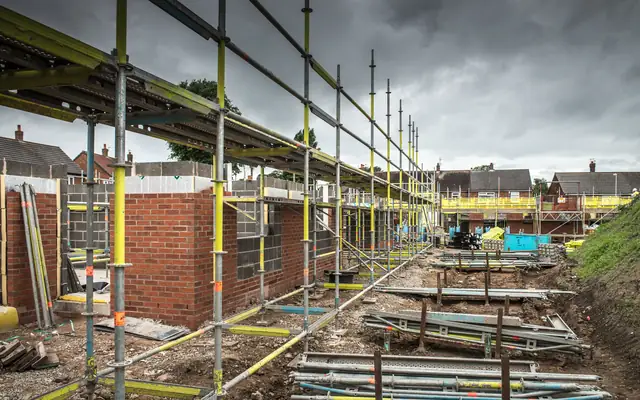
A bid is not a price until you know what is in it. The cheapest number on the page is usually the one with the most...
Read the article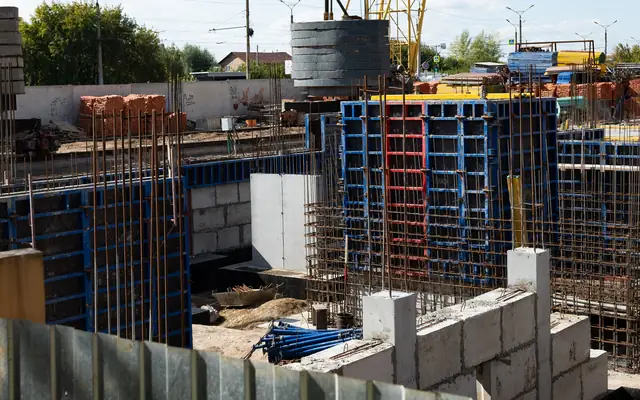
The form you sign decides who carries the design, how change is valued and what happens when the programme slips.
Read the article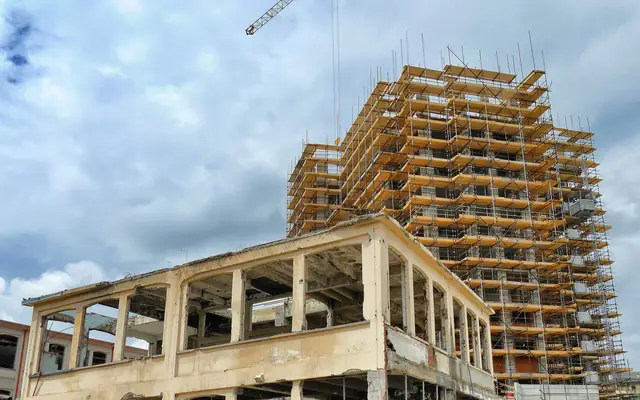
By the time there are drawings worth measuring, the structural solution, the specification and the procurement route...
Read the articleStart
Send us whatever exists. Drawings, a builder's quote, a planning reference, or a budget written on the back of an envelope. You do not need a tender pack in order to have the first conversation with us.
We will tell you what we make of it and what it would cost to have us involved. If it is not work we should be taking on, we will say that as well, rather than put a number in front of you for the sake of it.