

Category 07
Insights on development management
Buying, funding, procuring and delivering a scheme, and the numbers an investor should be shown each month.
Categories

How much should you pay for a development site
The asking price is an opinion. The residual land value is the only figure that tells you what the site is worth to you.

Seven site risks to check before you exchange
Every one of these is cheaper to investigate before exchange than to discover after it.

Five costs first-time developers leave out of an appraisal
None of these five are hidden. They are simply not in the spreadsheet when the offer goes in.

Why a build cost per square foot misleads investors
An average rate describes a population of buildings. It does not describe the one you are about to build.

Office to residential: when prior approval is the route
Prior approval is narrower than a planning permission and it is not automatic. Both of those facts cost money when they are discovered late.

Why the brief and budget come before the architect
A design produced without a budget is not a design. It is a proposal waiting to be cut.

What a development lender checks before releasing funds
A facility is not a pot of money you draw on request. Every release is a check, and the checks are predictable.

Bridging or development finance: which one and when
They are not two prices for the same thing. They are built for different parts of a scheme, and the exit is what separates them.
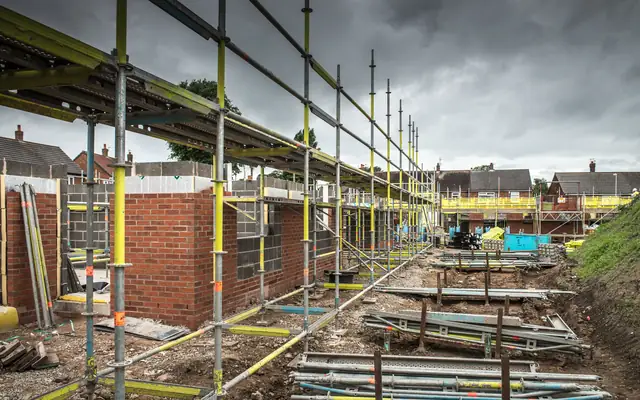
The lowest tender and the highest final account
A bid is not a price until you know what is in it. The cheapest number on the page is usually the one with the most missing.
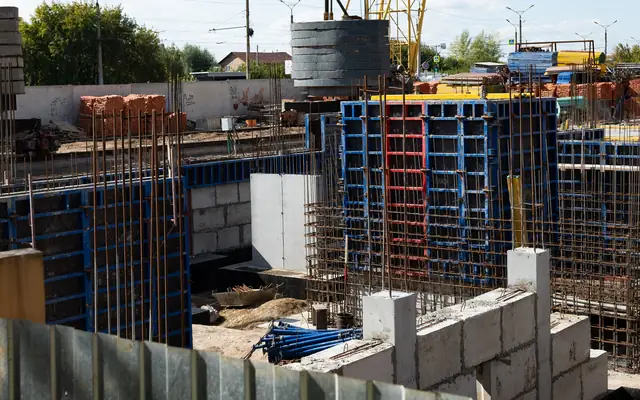
Which JCT contract suits a small development?
The form you sign decides who carries the design, how change is valued and what happens when the programme slips.

Monthly valuations explained for property investors
Each month someone decides what the building is worth so far. That decision is the one that pays your contractor.

Taking over a development that is running over budget
The first job is not to cut cost. It is to find out what the position actually is, because the reported one is rarely right.

What a monthly investor report should tell you
A good report answers one question in the first paragraph: is this scheme still going to do what it was bought to do.

Forecast final cost: the number investors should watch
Spend tells you what has happened. The forecast final cost tells you how the scheme ends.

How a development joint venture is structured
Most joint ventures fail on the things nobody discussed: who decides, who funds an overrun, and what happens if one side wants out.

What a JV shareholders’ agreement should cover
Every clause in it exists because somebody once needed it and did not have it.