
Programme
Programme sequencing risk
The same scope, built in a different order, is a different price. Very few cost plans are ever tested against the sequence the contractor intends to use.
The situation
Priced for one sequence, built to another
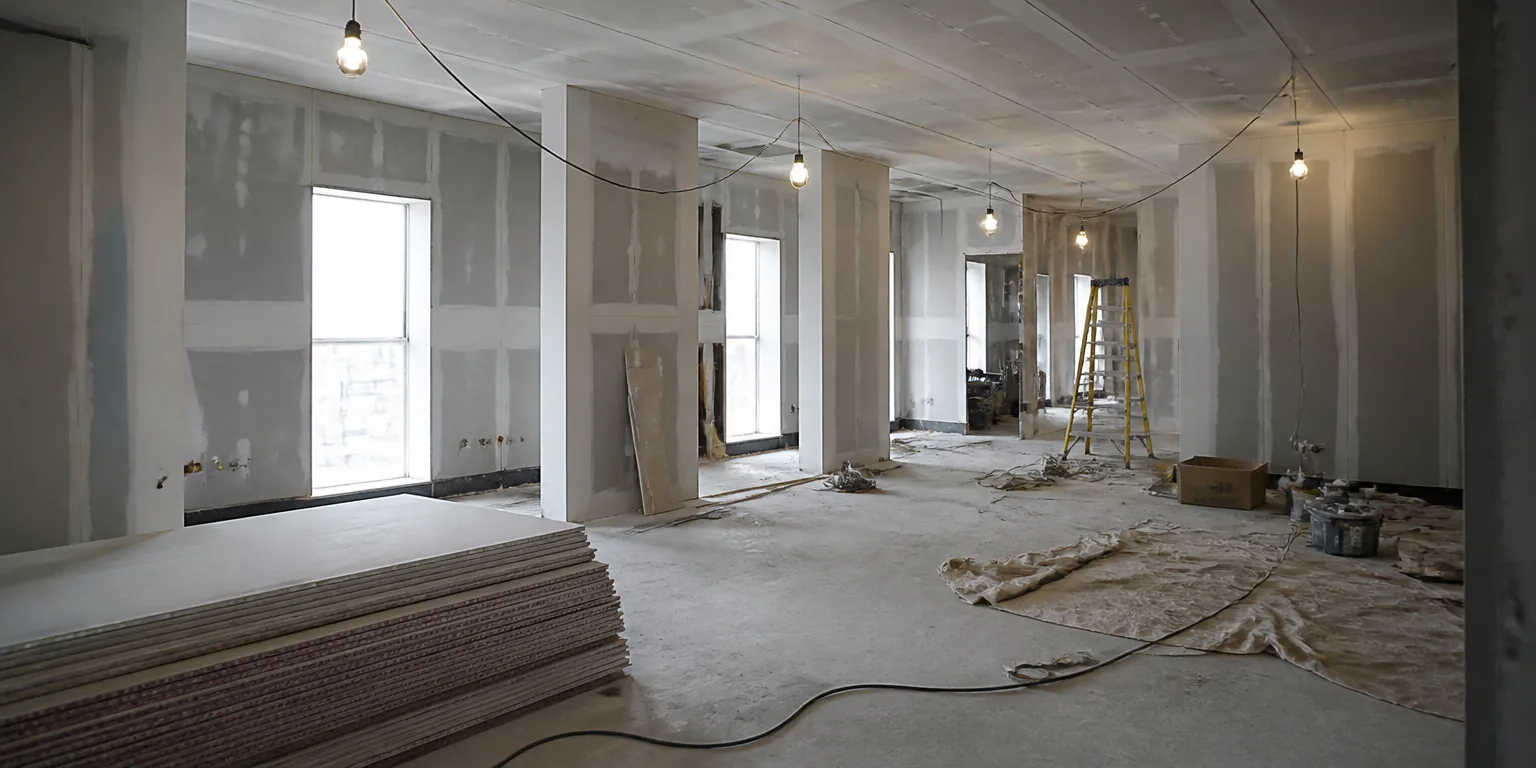
A residential scheme was priced against a tender programme showing a logical sequence: structure complete, envelope following, fit out behind it, floor by floor. The contractor then built to a different sequence, opening multiple floors simultaneously to meet a sectional completion date.
That decision was theirs to take. However, it changed the commercial characteristics of the job entirely. Trades that had been priced to work in a continuous progression were now working in intermittent visits. Consequently subcontractor productivity assumptions failed, and the resulting cost arrived as claims for disruption.
The client's position was weak for a specific reason: they had never established what the tender sequence was worth, so there was no baseline against which to test the alleged disruption.
What we found
Two records, never read together
The commercial record and the programme record had been maintained separately, by different people, and had never been reconciled.
The contract programme had been superseded by revised programmes issued monthly. Nevertheless none had been formally accepted, so there was no agreed baseline for any subsequent analysis.
Subcontract packages had been let against the original sequence. When the sequence changed, the subcontractors' entitlement crystallised, and it passed straight through to the client.
Sectional completion obligations had been imposed without any assessment of what accelerating to meet them would cost.
Disruption claims were being assessed on a global basis, because the absence of a baseline made cause and effect analysis impossible.
What changed
Fix a baseline, then read every revision commercially
Global claims stopped, because a baseline makes them unnecessary and indefensible in equal measure.
Agree a baseline formally
Unglamorous work, and the foundation of every later position. Without an accepted programme no delay analysis can answer the question the contract asks.
Assess each revision as it is issued
Subsequent programme revisions were reviewed for cost as well as for time, at the point they were issued rather than eighteen months later.
Put the consequence with the party who caused it
Where the contractor changed sequence for their own convenience, the commercial consequence sat with them, and that was established contemporaneously.
Value client driven sequence change promptly
Where a change followed a client instruction or a sectional completion requirement, it was valued at the time rather than argued at the end.
Why this happens
One document, read two ways
Programme is treated as the project manager's document and cost as the surveyor's. In reality they describe the same thing, and the interface between them is where most disruption exposure is created.
Cost control and variations reads the programme commercially throughout the works and values sequence change as it occurs, which is the only point at which cause and effect can be evidenced properly. That is what keeps a matter away from final accounts and disputes.
Questions
Asked about programme and cost
How does programme translate into cost?
Through preliminaries, through inflation on work not yet placed, and through the productivity effect of working out of sequence. The first is arithmetic and is usually allowed for. The second and third are where forecasts go wrong, because both depend on how the delay happened rather than how long it lasted. A four week delay that compresses two trades into the same area costs more than a four week delay that simply extends the end date.
Is the contractor's programme something a client should review?
Yes, and commercially rather than only for the dates. The programme reveals the resource assumptions behind the tender, the sequence the price depends on, and the points at which client information is needed. Reading it that way tells you where your own decisions sit on the critical path, which is information you cannot get from the cost plan. It also establishes a baseline, without which any later delay analysis becomes a matter of assertion.
What records matter if a delay claim is likely?
Contemporaneous ones, which means records made at the time and for their own purpose rather than assembled afterwards for the claim. Progress against the baseline, resource on site, the dates information was requested and received, and the instructions issued. Retrospective reconstruction is admissible but weak, and it is expensive to produce. The cost of keeping proper records during the works is a fraction of the cost of building the same picture later.
Who carries the cost of a delay that neither party caused?
It depends on the contract and on the event, and the answer is frequently split: the contractor may get time without money, meaning the client carries its own prolongation and the contractor carries its site costs. Neutral events are drafted differently across the standard forms and are amended in most negotiated contracts. Knowing which position your contract takes, before an event occurs, changes how a client should respond to early warning.
Can acceleration recover a programme economically?
Sometimes, and it needs pricing against the alternative rather than instructed by reflex. Acceleration costs premium time, additional resource and a productivity penalty from crowding, and those costs are certain while the recovery is not. Where the commercial driver is a fixed date with a real value behind it, acceleration can be entirely justified. Where it is instructed to restore a date with no consequence attached, the money is usually better spent elsewhere.
Related scenarios
Where this connects
Disruption claims and no agreed baseline?
Send the contract programme and the revisions. We will tell you what baseline exists and what the records can actually support.
Insights